

Retained earnings represent the cumulative amount of net income that a company has retained, rather than distributed to shareholders as dividends. These earnings are essential for understanding a company’s financial health and its ability to reinvest in its operations. Properly tracking and reporting retained earnings is crucial for providing a clear picture of a company’s profitability over time.

What is a statement of retained earnings?
Retained earnings, on the other hand, represent the cumulative net income the company has chosen to keep (or retain) rather than distribute as dividends. Retained earnings are used for reinvestment in the business or paying off debts. Therefore, companies must carefully consider their dividend policies and find the right balance between retaining earnings for growth and paying dividends to shareholders. This balance is often reflected in the retention ratio, which measures the percentage of net income that is retained versus the percentage that is paid out as dividends. For instance, a company may use its retained earnings to purchase new equipment or acquire another business. This can improve the company’s operational efficiency or allow it to enter new markets, driving future growth.

Reporting Retained Earnings
- The tax effect is shown in the statement of retained earnings in presenting the prior period adjustment.
- This formula captures the flow of profits within the company and helps determine how much is retained for future investments.
- Retained earnings are calculated by adding/subtracting the current year’s net profit/loss to/from the previous year’s retained earnings and then subtracting the dividends paid in the current year from the same.
- The test determines if every dollar of retained earnings creates at least one dollar of market value.
- As a result, any item, such as revenue, COGS, administrative expenses, etc that impact the Net Profit figure, can impact the retained earnings amount.
Understanding the distinction between retained earnings, revenue, and net profit clarifies how profit flows through a business. While revenue reflects top-line income and net profit captures what remains after expenses, retained earnings show how much of that profit is preserved for future use. With this clarity, it’s easier to assess What is bookkeeping the various factors that influence retained earnings over time. Retained earnings are important because they represent the company’s accumulated profits. They provide a source of capital for funding investments, such as new equipment, research and development, or expansion. Retained earnings are calculated by adding net income to the previous year’s retained earnings and subtracting dividends paid during the year.
- Excessive hoarding of profits can suggest inefficient capital allocation, while overpayment of dividends may necessitate debt or equity issuance for basic operational needs.
- It is necessary to calculate the retained earnings at the end of each accounting period.
- Reporting retained earnings involves calculating the beginning retained earnings, adding net income, and subtracting any dividends declared during the period.
- This information helps investors and stakeholders evaluate the company’s financial health and long-term sustainability.
- Both ratios help assess the company’s strategies for growth and shareholder returns.
Example of Preparing a Statement of Retained Earnings
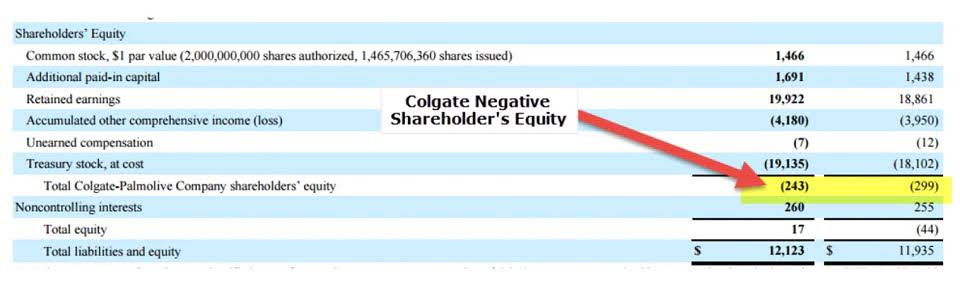
This statement includes net income, dividend payments, and any adjustments made during the period. By examining this statement, stakeholders can understand the factors influencing changes in retained earnings and make informed decisions based on the company’s financial performance. The statement of retained earnings is not just an internal document for accountants; it plays a significant role in a company’s broader financial analysis and strategy.
Send Me Accounting for Everyone Weekly Updates
Retained earnings provide insights into the company’s historical profitability and its ability to generate future earnings. In contrast, other equity accounts indicate the level of financial support and confidence from retained earnings investors. The retained earnings statement relies on the net income figure from the income statement. If net income is calculated incorrectly—perhaps due to overlooked expenses or misreported revenues—it will carry over to the retained earnings calculation, resulting in an inaccurate statement. This is why ensuring that all financial statements are carefully prepared and reviewed is critical.
Net income is the company’s profit for an accounting period, calculated by subtracting operating expenses from sales revenue. While preparing a statement of retained earnings might seem straightforward, there are several common pitfalls that businesses should be aware of to avoid inaccuracies. Mistakes in this statement can lead to misinformed decisions by stakeholders and may even raise concerns during financial audits.
- In that case, your savings account balance (retained earnings) will increase because you were able to tuck money away.
- Browse the Journal of Accountancy website for articles and cases of prior period adjustment issues.
- If a company retains most of its earnings, it may indicate plans for expansion, acquisitions, or significant internal investments.
- Companies must understand how to calculate retained earnings accurately to leverage them fully.
- A retention ratio of 75% implies that Company D reinvests three-quarters of its net income into the business, which can lead to significant growth in retained earnings over time.
A company with consistently mounting retained earnings signals that it’s profitable and reinvesting in the business. Conversely, consistent decreases in retained earnings may indicate mounting losses or excessive payouts to owners. For private companies, this might include owner draws that reduce company profits. However, the income statement is intrinsically linked to the retained earnings figure https://metroradios.com.ar/uncategorized/8-best-austin-tx-bookkeeping-services/ through net income. Reported net income flows into the calculation of retained earnings, which is updated as the retained earnings figure on the balance sheet.
Global payments
This financial metric is crucial in accounting as it reflects the company’s ability to reinvest in its operations, pay off debt, or save for future growth opportunities. By tracking retained earnings, businesses can gauge their long-term financial health and sustainability. While retained earnings are reported on the balance sheet under shareholders’ equity, the profit and loss statement is a standalone financial document. The statement of retained earnings is one of four main financial statements, along with the balance sheet, income statement, and statement of cash flows. In that case, the company may choose not to issue it as a separate form, but simply add it to the balance sheet.